With the arrival of summer in New Jersey, ensuring your AC is primed for the rising temperatures is essential. A little proactive maintenance can make all the difference, keeping your unit running smoothly and preventing those dreaded mid-heatwave breakdowns. Imagine the relief of a cool breeze on a sweltering day! Start by replacing air filters for improved air quality and efficiency. Next, check the refrigerant levels to ensure optimal cooling performance. These simple steps will help keep your home an oasis of comfort all season long.
Key Takeaways
As summer in New Jersey approaches, get your AC ready for the heat with these essential tips!
- Kick off the season with a yearly maintenance check-up. This ensures your air conditioner runs smoothly and avoids any surprises during those scorching peak months.Keep the air fresh and your system running at its best by swapping out air filters regularly. Breathe easy and enjoy enhanced efficiency.Give your condenser coils a good cleaning. This simple act can significantly boost cooling power and extend the life of your AC.Don't let refrigerant levels go unchecked. Proper levels mean effective cooling and no surprise spikes in your energy bills.Ensure there's a 12-inch clearance around your outdoor unit. This open space allows for the best ventilation and top-notch performance.
Enjoy a cool, breezy summer!
Scheduling Annual Maintenance
To keep your AC in prime condition for the blazing summer months, scheduling annual maintenance is your secret weapon.
Regular check-ups catch tiny hiccups before they balloon into full-blown headaches, ensuring your unit enjoys a long, healthy life. Imagine the joy of lower energy bills and a system that hums along with ease, free from unnecessary strain. Ensuring efficient operation through regular maintenance not only reduces energy costs but also minimizes the risk of sudden breakdowns.
Dodge the dread of unexpected breakdowns by having skilled HVAC technicians perform a thorough inspection, spotting potential issues and tuning everything to perfection for peak summer performance.
With attention to detail on refrigerant levels, electrical connections, and fan operation, your AC will run safely and efficiently, giving you the blissful peace of mind you deserve all season long.
Replacing Air Filters
Keep your indoor environment fresh and your HVAC system humming smoothly by making a simple yet impactful change: regularly swapping out those air filters. Imagine breathing in clean air free from dust, pollen, and pet hair—it's a small action with big benefits. By keeping your filters clean, you not only enhance your home's air quality but also cut down on energy consumption. Clogged filters restrict airflow, leading to HVAC inefficiency, and increase the risk of total system failure. This means your system works more efficiently, potentially boosting its performance by 5 to 15 percent and saving you money on energy bills. Plus, a well-maintained system can live longer, sparing you from unexpected (and costly) breakdowns. Whether you choose disposable or reusable filters, aim to replace them every one to three months. This frequency can be adjusted based on how often you use your system and the conditions of your environment. Always stick to the manufacturer's guidelines for the best results. Not only does this simple maintenance task keep your home comfortable during New Jersey's sweltering summers, but it also contributes to a more sustainable lifestyle by reducing energy waste.
Cleaning Condenser Coils
To ensure your AC system operates at its best, begin with the crucial task of cleaning the condenser coils. This simple yet important chore enhances heat transfer, elevates cooling efficiency, and prolongs the life of your AC. Before diving in, double-check that the power is off to avoid any shocking surprises. Slip on a pair of gloves and some safety glasses for extra protection. Use a soft-bristled brush or a shop vacuum to gently sweep away any loose debris. Then, apply a homemade water-vinegar mix, letting it work its magic. Rinse the coils with a garden hose set to low pressure to avoid any mishaps. Allow the coils to air dry before securing the covers back in place. Aim to clean your coils annually, or even twice a year if you're in a particularly dusty area, to help cut down on energy costs and prevent unnecessary repairs. Remember to keep vegetation trimmed around the unit to maintain optimal airflow. Regular cleaning of the coils is essential because dirty coils reduce efficiency and performance of the air conditioning system, leading to increased energy usage and potential breakdowns.
Checking and Upgrading Thermostats
A well-functioning thermostat is the unsung hero of home comfort and efficiency. Ever thought about the magic that keeps your cozy haven just the right temperature? Regularly giving your thermostat a once-over ensures it's snugly attached and dialed in just right. If it's throwing a tantrum, fixing it pronto is the way to go.
But why stop at just fixing when you can upgrade? Dive into the world of programmable or smart thermostats and unlock a new level of control and energy efficiency. Imagine adjusting your home's temperature from your phone while sipping coffee at your favorite café, or getting insights into your energy use that could save you a bundle. Regular maintenance, like filter changes, is crucial for maintaining system efficiency and preventing costly repairs in the long run.
Before you leap, check that your HVAC system is on board with the upgrade and that you'll find the app a breeze to use.
If your current system has quirks or lacks the pizzazz you crave, it might be whispering that it's time for a change. Ensuring everything's set up correctly can be a game-changer, and with a little care and regular check-ups, your shiny new thermostat will keep humming happily for years.
Plus, having a maintenance agreement is like having a secret weapon, offering savings and access to expert advice whenever you need it.
Ensuring Outdoor Unit Clearance
As the sun begins to dominate the skies, it's time to ready your AC for the summer's warm embrace. Ensuring your outdoor unit has the breathing room it needs isn't just a task; it's an art of prolonging its life and maximizing efficiency.
Imagine your unit as a dancer needing space to twirl; it requires at least one foot of clearance on all sides and a lofty 60 inches above. This graceful setup fosters the perfect airflow, helping your unit perform its best while keeping energy bills at bay.
Think of those unruly shrubs as overzealous fans crowding the stage—keep them trimmed to maintain the performance. Consult your owner's manual or an HVAC contractor, as they can provide insights on specific requirements for your unit's clearance needs.
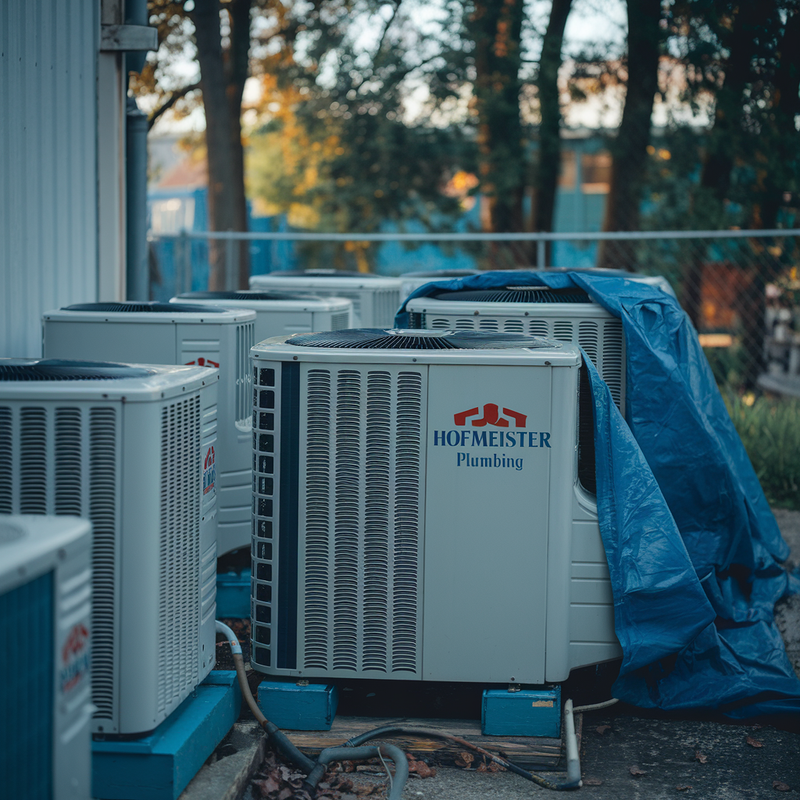
And those decorative covers? While they may look chic, they're akin to a curtain blocking the spotlight, stifling the airflow your unit craves.
Picture leaves and grass clippings as uninvited guests at a party; they can accumulate around your unit, so make it a habit to clean regularly.
Be vigilant for any obstructions, like roof overhangs or the winter's icy grip. Without enough space, your unit risks overheating, leading to premature wear that can be as costly as a diva's demands.
Inspecting Refrigerant Levels
Now that your outdoor unit is breathing freely, it's time to dive into one of the crucial elements of your AC's magic: refrigerant levels. Think of refrigerant as the lifeblood of your cooling system—it's vital for keeping things frosty and ensuring your AC lives a long, happy life.

If these levels drop, you'll not only experience a lackluster chill but also see your energy bills skyrocket.
To inspect refrigerant levels, pressure gauges become your best friend. They measure the high and low side pressures, which are then matched against what your AC manufacturer recommends. Low pressure might whisper of a sneaky leak, while high pressure can spell trouble for your system. It's crucial to check the pressure http://hillsdale-honest-ac-experts-new-jersey.huicopper.com/the-best-insulation-for-keeping-your-ac-efficient-h-hofmeister-co-inc regularly as it affects the efficiency of the HVAC system.
But wait, there's more! By calculating superheating and subcooling with digital thermometers, you can fine-tune your system to perfection.
Although these checks sound thrilling, they require a specific set of skills and tools. Regular inspections ensure your AC runs smoothly, avoiding unnecessary headaches and expenses down the road.
Verifying Electrical Connections
Before you enjoy the refreshing comfort of your home this summer, ensure your AC's electrical connections are in pristine condition.
Electrical checks are crucial for the safe and efficient performance of your AC system. Loose or corroded connections can lead to malfunctions and even pose safety threats, such as electrical fires. In New Jersey, where summers can be wet and warm with high humidity, maintaining your AC's electrical connections becomes even more critical to prevent system failures.
Regular inspections with tools like a multimeter, wire strippers, and pliers can help avert these problems. Examine connectors and terminals for any signs of wear or damage, clean them to ensure optimal contact, and secure any loose connections.
Consider applying anti-corrosion sprays to protect exposed terminals. If tackling these tasks seems daunting, seeking expert help for intricate electrical issues is a smart move.
With the right maintenance, your AC will keep you cool and safe all summer long.
Monitoring for Unusual Noises
Once you've double-checked your AC's electrical connections, keep your ears perked for any peculiar noises that might emanate from your unit. A buzzing sound could be a secret code for loose parts or hidden electrical gremlins, while a whistling tune often signals that your filters or ductwork are in need of attention.
If your AC starts to rattle, it may be time to hunt for debris or tighten those wandering screws. A screeching sound, meanwhile, should raise an immediate red flag, as it could mean serious trouble with the fan motor or compressor. A gurgling or bubbling noise might indicate refrigerant issues, such as leaks or low refrigerant levels, requiring prompt attention to prevent further damage.
Don't delay in addressing these acoustic mysteries—swift action can prevent further damage. At the first sign of odd sounds, power down the unit and embark on a quest to find any obvious culprits like stray debris or loose parts.
If the mystery persists, seek professional guidance. Regular rituals of maintenance, such as filter cleansing and ductwork inspection, serve as your best defense against noise-induced woes. Heed the call of these sounds; ignoring them could lead to a dreaded fate of costly repairs and diminished efficiency.
Preventing Moisture Buildup
To keep moisture at bay in your AC system, focus on vital maintenance tasks that ensure your sanctuary remains cool and dry. Begin by regularly changing your HVAC air filter; this simple act is like giving your AC a fresh breath of air, maintaining its rhythm for optimal airflow and cooling efficiency. Be the guardian of your condensate drain line, keeping it clear to prevent any sneaky water accumulation and leaks. Wrap your ductwork in a cozy layer of insulation to ward off unwanted condensation within the ducts. Keep a watchful eye on refrigerant levels; a balanced system avoids those pesky frozen evaporator coils that can lead to moisture misadventures. And like a yearly health check-up, schedule annual HVAC inspections to catch any moisture issues before they rain on your parade. Beyond the mechanical wonders, managing indoor humidity is your secret weapon. Deploy dehumidifiers to keep levels below the magical 60%, and ensure your AC operates with the grace of a ballet dancer. Let exhaust fans in kitchens and bathrooms whisk away excess moisture like a gentle breeze. Equip yourself with a trusty hygrometer, the sentinel that keeps tabs on humidity, allowing you to adjust and maintain the perfect indoor oasis. Regular inspections and maintenance create a healthier living environment, and using mold-resistant materials contributes to long-term mold prevention.
Preparing for Seasonal Changes
As the seasons transition, getting your AC system in top shape for the summer heat becomes an exciting project.
Begin with a thorough spring maintenance routine to sidestep any unexpected breakdowns when you need cool air the most. Dive into inspecting the entire system, giving attention to cleaning coils, fins, and all components.
Make it a quest to check refrigerant levels and hunt for leaks. Give those moving parts the gift of lubrication and tighten up electrical connections to ensure everything runs smoothly.
Replacing air filters regularly is like breathing fresh life into your AC. Check them monthly—more often if you're sharing space with pets or battling allergies. High-quality filters are your secret weapon for better indoor air quality and a longer-lasting AC.
Imagine a clear zone around your outdoor unit, a 12-inch buffer for perfect ventilation. Embrace the garden hose as your ally to wash away dirt from the condenser coils.
Experiment with your thermostat settings, and perhaps consider the thrill of upgrading to a smart model. Upgrading from a manual to a programmable or smart thermostat enhances control over your home's temperature and can improve energy efficiency. Lastly, channel your inner detective to inspect ductwork for leaks, sealing any gaps to ensure efficient airflow throughout your home.
Frequently Asked Questions
How Can I Prevent AC Ductwork Leaks?
To safeguard your AC ductwork from pesky leaks, embark on a journey of regular inspections, ensuring everything is shipshape. Picture yourself as a duct detective, sleuthing out potential issues before they become full-blown mysteries. In addition to your detective work, ensure the installation is nothing short of impeccable, using only the finest materials to construct your airflow superhighway.
When it comes to repairs, channel your inner artist and apply mastic sealant or foil-backed tape with the precision of a painter restoring a masterpiece. Keep those ducts sparkling clean, and make it a ritual to schedule annual maintenance, treating your ductwork like a beloved classic car that deserves the utmost care and attention. With these steps, you'll not only prevent leaks but also ensure your AC system performs with the grace and efficiency of a well-oiled machine.
What Are Signs of a Clogged Condensate Drain?
Imagine this: you stroll past your air conditioner only to find mysterious water puddles forming nearby. Or perhaps a musty odor suddenly wafts through your home, leaving you puzzled. Unexpectedly, your trusty cooling system shuts down, leaving you in a sweat. These are not just random occurrences—they're clues that the condensate drain might be clogged. If you notice a drop in cooling efficiency, it's another piece of the puzzle. Ignoring this issue could lead to water damage and a spike in your energy bills. Keep an eye out for these signs to keep your cool and your wallet happy!
How Often Should I Inspect for Refrigerant Leaks?
Embark on a journey of efficiency and environmental stewardship by inspecting your refrigerant systems regularly! For small systems, make it an annual tradition—once every 12 months. Medium systems deserve a bit more attention; check in every 6 months. And for those mighty large systems, make quarterly inspections your mantra. These periodic check-ups not only keep your systems running smoothly but also help you stay eco-friendly and avoid hefty repair bills. Happy inspecting!
What Is the Lifespan of a Typical AC Unit?
Imagine your trusty AC unit as a steadfast companion through sweltering summers and muggy days. Typically, these loyal machines stand by your side for a solid 10 to 20 years. Their longevity, however, isn't just a roll of the dice. It depends on a captivating trio of factors: diligent maintenance, the artistry of its installation, and the whims of the climate. With a little tender loving care, your AC can continue to deliver a refreshing breeze and unwavering comfort for many years, making those hot days feel like a distant memory.
How Do I Identify Energy Inefficiencies in My AC System?
Identifying energy inefficiencies in your AC system can be a rewarding detective mission! Start by examining the EER (Energy Efficiency Ratio) and SEER (Seasonal Energy Efficiency Ratio) ratings of your unit. These ratings give you a clear indication of your system's efficiency levels. Next, channel your inner sleuth to check for any dirty filters or leaky ducts, which can silently sabotage your energy use. Keep an eye on those pesky high energy bills, as they might be waving a red flag at inefficiencies. Regular maintenance is your trusty sidekick in this quest, ensuring your system runs smoothly. And if you're up for an upgrade adventure, think about switching to a more efficient unit to boost your energy savings.
Conclusion
As Harold Hofmeister, a seasoned plumber with 40 years of experience here in Westwood, NJ, let me share some practical advice to keep your AC in top shape for those scorching New Jersey summers. First off, don't skip those annual check-ups; they're essential for spotting potential issues before they become big problems. Make it a habit to replace your air filters regularly—it's a simple task that can greatly improve your unit's efficiency.

Now, when it comes to those condenser coils, give them a good cleaning to ensure optimal performance. Consider checking or even upgrading your thermostat; a modern, programmable one can save you a bundle on energy costs. Take a moment to inspect your outdoor unit—make sure it's free of debris like leaves and twigs. Also, ensure all electrical connections are tight and secure.
Keep your ears open for any unusual noises coming from your AC, and address them quickly to prevent more significant issues down the line. Moisture buildup is another thing to keep an eye on, as it can lead to expensive repairs if left unchecked. Follow these tips, and you'll be able to enjoy a cool, comfortable home all summer long. Trust me, after 40 years in the biz, I know a thing or two about keeping things running smoothly!